
What happens when you contact a chaplain?
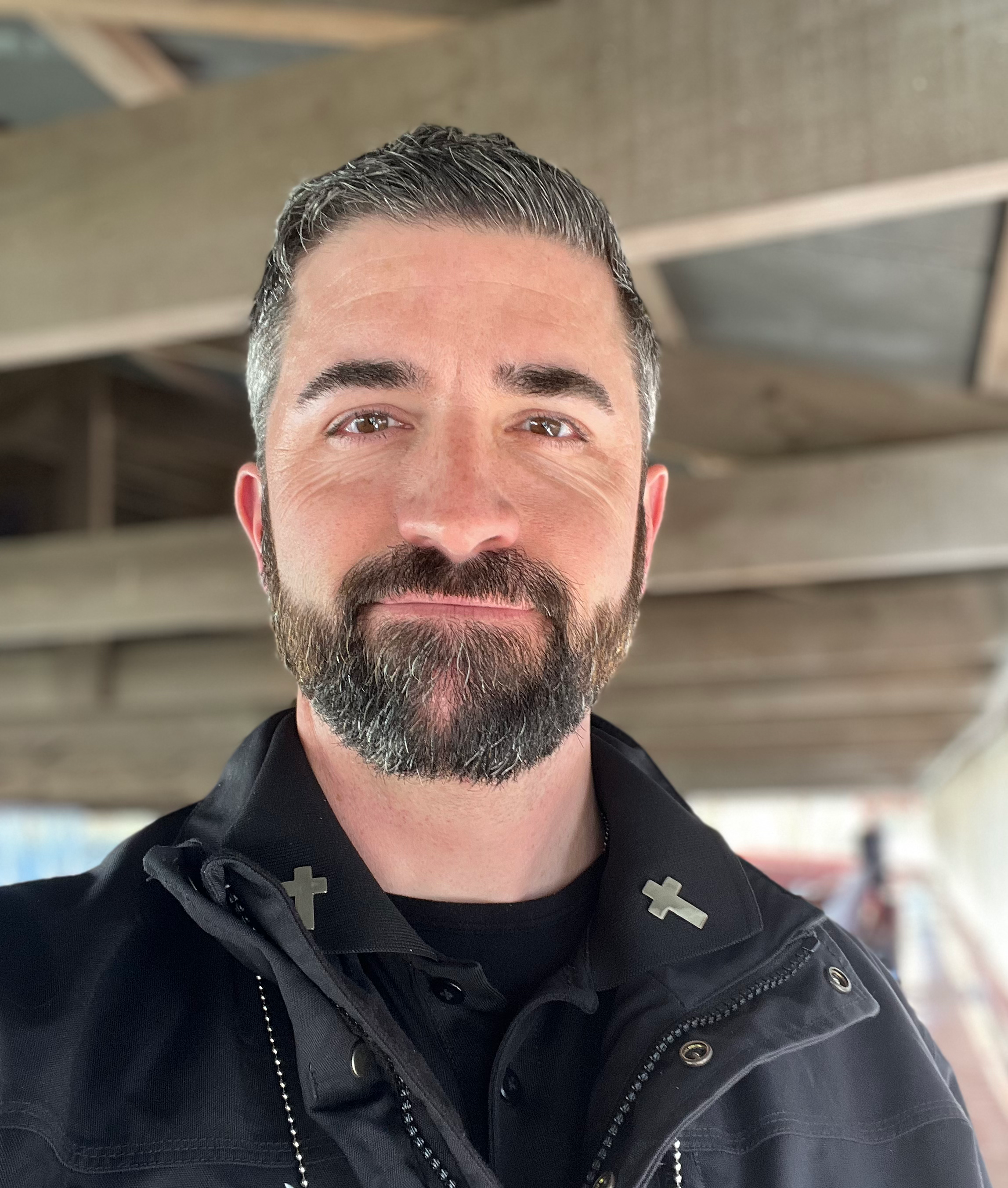
By Chaplain Leo Keelan, Hope Chaplain
Reaching out can feel like one more difficult task when life is already heavy. You may wonder whether your concern is serious enough, whether you will be expected to talk about faith, or what you are supposed to say.
You do not need a prepared story or the right words. A message as simple as “I could use someone to talk to” can begin the conversation.
At Hope Chaplain, I come alongside first responders, their families, and people in the wider community. The starting point is paying attention to the person and what would be helpful to them.
You can start with what you need today
Your first message can be brief. Share your name, a way to reach you, and a little about what you are looking for. You might be facing a loss, carrying something from a difficult call, supporting someone else, or simply unsure where to turn.
You do not need to put private health information or detailed incident information into a website message. We can discuss the circumstances and an appropriate next step when we connect, including availability and whether a conversation, practical resource, or another service may fit your needs.
Hope Chaplain serves across Oregon and beyond. The type of support and arrangements depend on the situation and availability; sending an inquiry does not reserve a visit or establish emergency response.
There is room to talk, or to be quiet
Chaplain care begins with listening. You may want to explain what happened, ask a difficult question, or take time before saying much at all. You can say what you are comfortable discussing and ask questions about the care being offered.
I do not expect you to make sense of everything in one conversation. Sometimes a useful place to begin is, “What feels hardest right now?” Sometimes it is, “What would make the next few hours a little more manageable?”
This is part of what I mean by a ministry of presence: making room for someone to be heard without rushing them toward an answer.
Practical support matters, too
Care can include grief support, help identifying a next step, or a connection to a resource or another person who can help. A printable guide may give you something to return to when it is hard to remember a conversation.
Our Resource Library offers free materials you can read, download, and share. You are welcome to use them even if you are not ready to contact a chaplain.
Faith is offered with respect
My Christian faith is the foundation of my calling. You do not need to share that faith, belong to a church, or have any religious affiliation to receive care.
Prayer and spiritual conversation are offered according to your wishes. You can welcome them, ask questions, or decline. Listening quietly and helping with an ordinary practical need are also meaningful ways to care.
A chaplain is one part of a support network
Chaplaincy offers listening, spiritual care, grief support, and practical connections. It does not replace clinical assessment or treatment. When a need is beyond my role, discussing an appropriate professional or resource is part of caring well.
My public safety agency chaplain service is carried out through Public Safety Chaplaincy. Hope Chaplain also supports families and the wider community. These relationships matter because good support often involves more than one person or organization.
A simple place to begin
If you would like to discuss care for yourself or someone you support, contact me through Hope Chaplain. You can start with a few words. We can talk about what you are seeking and what may be possible from there.

Comments